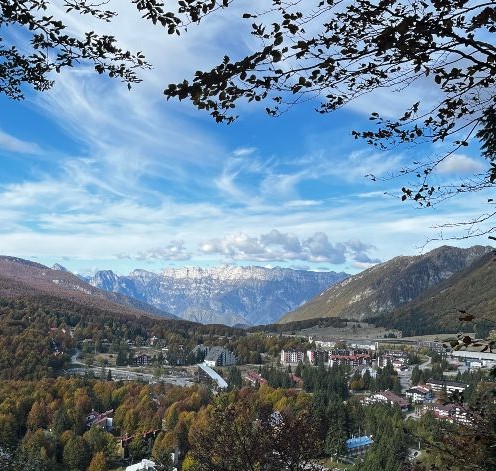
As a child, I used to walk up the same mountain trail with my grandmother a couple of times each year. We would reach a small and old alpine hut, and then continue to a tiny shrine overlooking the valley. We always stopped there. We would talk a bit, stay silent, and also pray together; over there, she taught me prayers that I still remember today.
Years have passed, and my grandmother is no longer with us.
And, in many ways, neither is that place.
The mountain hut has become a lively bar where people gather for aperitifs and après-ski, the quiet trail has been incorporated into a ski slope, and before you can even begin the walk, you have to pay eight euros just to park your car.
This is not a criticism of tourism, nor of those who manage these places, of course. I’ve been clearly told that some mountain communities heavily depend on tourism, and at the same time I can imagine that finding a balance between economic development and environmental protection is anything but easy.
Yet, returning there for a recent journey made me wonder: when did some places stop being part of a community’s everyday life, and become products to be consumed? When did we reach the point where overtourism and environmental degradation force us to regulate access in the first place?
Overtourism is challenging and risky, and it seems to be increasing everywhere.
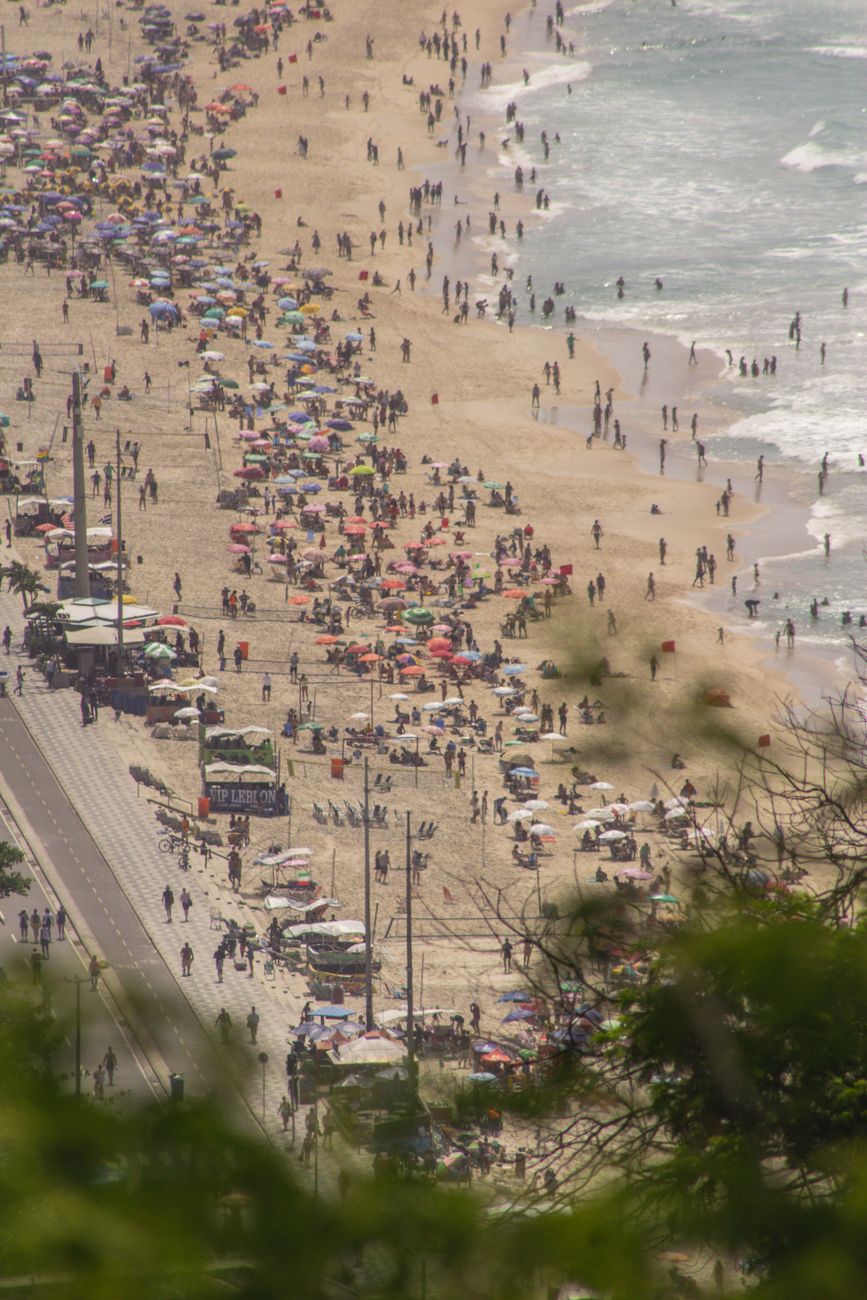
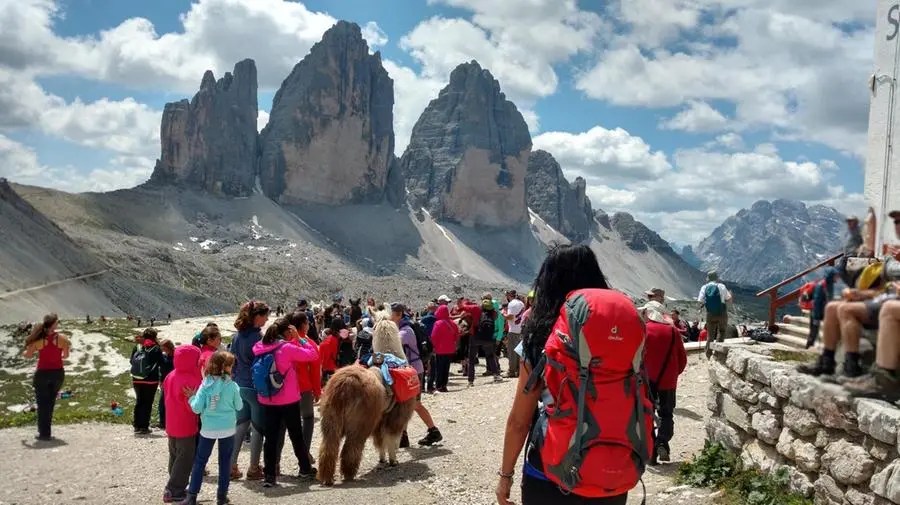
It is therefore no surprise to read about Japan’s proposal to tackle overtourism by charging significantly higher prices to foreign visitors from July 2026. This measure addresses a very real challenge that many countries are facing across the world, when some specific destinations receive more visitors than they can sustain without damaging ecosystems, cultural heritage, or the quality of life of local communities. So, managing visitor numbers is often necessary, and it sounds also reasonable to ask visitors to contribute financially to maintaining the places and services they enjoy.
But I wonder whether price is really the right criterion to educate people. The experience of Venice offers an interesting example. The city’s access fee, introduced in the last couple of years, has generated revenue for managing tourism, but available evidence suggests that it has had little effect on the overall number of visitors. If that is the case, the natural response becomes raising the price even further.
But here lies the problem.
Charging more does not automatically select the most respectful visitors. More often, it simply selects those who can afford to pay more. And, in my experience, wealth and good behavior is not the same thing, nor is financial prosperity of a person a reliable indicator of environmental awareness…
Paying a higher entrance fee does not automatically make someone more responsible, more respectful, or less impactful; it simply makes that visitor more “profitable”. That’s an important distinction, which becomes even more important when we think about natural areas.
Forests, mountains, wetlands, and national parks are not merely tourist attractions. Over the past decades, research has shown that meaningful and positive interactions with natural environments provide measurable benefits for physical and mental health, including stress reduction, improvement of well-being and a set of contributions to healthier lives.
So, if access to these environments were increasingly regulated through pricing, wouldn’t we risk excluding precisely those people who might benefit the most from spending time in Nature, but have fewer financial resources?
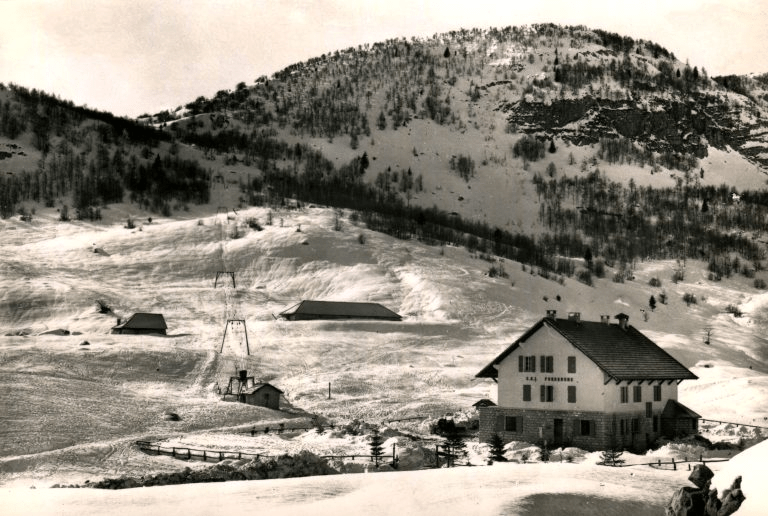
Nature would gradually become a privilege rather than a common good, and even more concerning, if only wealthier visitors can regularly access certain places, those places may gradually evolve to meet the expectations of that particular audience. Management decisions, infrastructure, services, and even the way landscapes are presented could increasingly reflect the preferences of a relatively homogeneous socioeconomic group, rather than the ecological identity of the place or the diversity of society – exactly as happened to the hill and the little hut where granny and I used to stay together.
Of course, limiting visitor numbers is sometimes essential.
The real question is not whether we should regulate access, but how. Reservation systems, visitor quotas based on ecological carrying capacity, seasonal distribution of tourism, environmental education, and stewardship programmes may all help reduce impacts without making income the primary criterion for access.
Ultimately, the question is not who can afford to pay more; it is what kind of relationship we want to build between people and Nature.
If we truly believe that healthy ecosystems are fundamental not only for biodiversity but also for human well-being, then sustainability should not come at the cost of social equity.

