I have always been deeply interested in the everyday lives of people whose work directly interacts with the living world. This is why I have always felt a particular fascination for the daily rhythms of farmers, forestry workers and breeders, and others whose work unfolds in close contact with animals and ecosystems. So, when I discovered a series of documentaries about forestry work in the Alps, I began watching them with genuine interest.
I still do. And I continue to feel a deep respect for the people portrayed in those series: men and women engaged in physically demanding, dangerous, and highly skilled labor, under such pressure that even the most thoughtful choices can become difficult to sustain.
Yet, as the episodes went by, something began to shift in my perception. What I noticed did not shock me because it was violent or extraordinary but precisely because it was presented as normal. Almost trivial routine.
As you may know, the Alpine landscape in countries like Italy is not purely “natural.” It is a cultural landscape, shaped over centuries by the co-evolution of human communities and ecological systems. Forests here are often, if not always, managed: trees are selected, undergrowth is cleared, interventions are planned. Decisions are made about which trees to harvest, which to leave, and how to maintain a certain balance. Within this context, intervention is not inherently problematic.
What struck me in that episode was something more subtle.
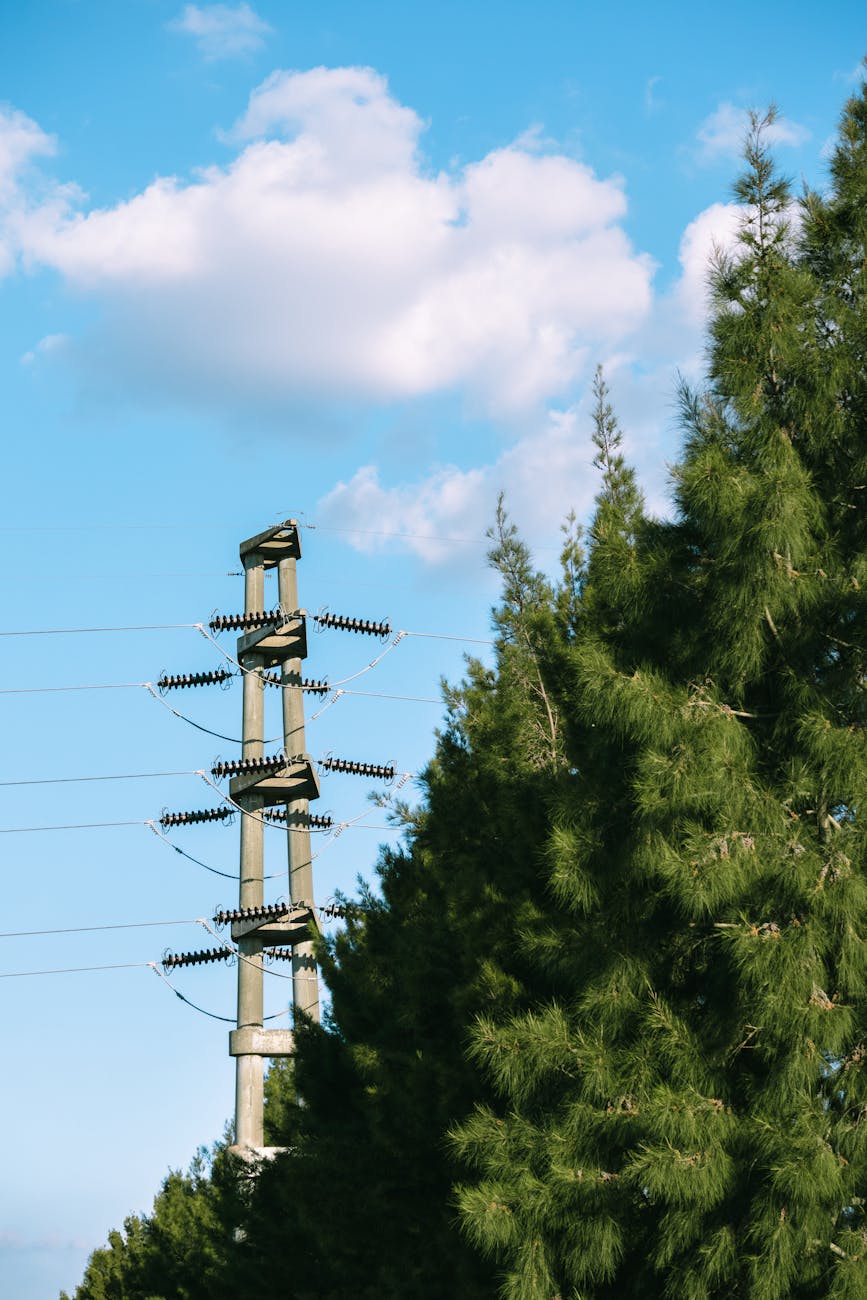
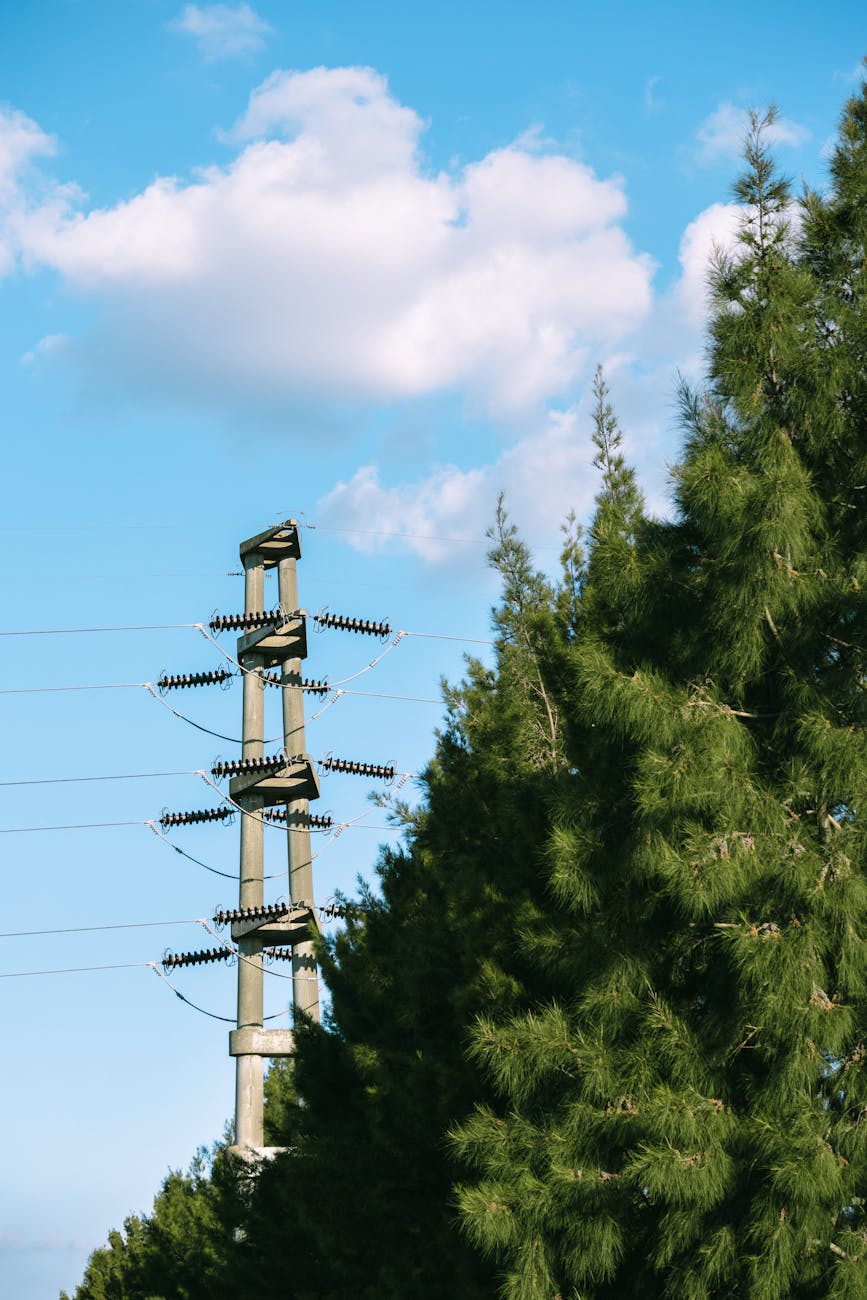
A team had been tasked with cutting down a tree, likely close to a century old, because its canopy risked interfering with a power line. The line itself, of course, had been installed to serve nearby communities.
The operation was technically impressive. The slope was steep, the conditions difficult, and the workers showed remarkable skill and coordination to carry out the task safely. But during the explanation, the team leader clarified the rationale: removing the tree was… convenient. Relocating the power line would have been more expensive.
The decision, therefore, was framed as obvious, economically rational and as such, almost inevitable. And yet, I immediately thought that something essential was missing from that equation.
An equation that on one side there were the cost of human labor, machinery, and technical intervention, while on the other side… there was nothing. Or rather, something that was not counted: the tree itself.
Can we really see a tree just as timber, as an obstacle? How can we forget that a tree is the outcome of decades of ecological processes? Decades of soil formation, nutrient cycling, microbial interactions, climatic conditions, and biological growth?
If we were to seriously account for the “work” performed by ecosystems, the slow accumulation of processes that allow a tree to grow, interact, and become part of a larger living system, we might realize that cutting down such a tree is not cheap at all. It is, in fact, extraordinarily expensive. We simply do not measure that cost.
Of course I am not saying this is about indifference; often, it is about constraint. People need to earn a living, to sustain themselves, to operate within systems that do not easily allow for slower, more uncertain choices. Economic, social, and institutional structures can make it extremely difficult to integrate long-term ecological value into everyday decisions.
Nevertheless, understanding this does not justify the outcome.
What if we truly began to count the time and labor of nature as an integral part of our decisions? What if decades, centuries, or even millennia were not treated as negligible simply because they do not fit within our economic timelines?
Perhaps then we would begin to see solutions that today elude us. And perhaps we would also begin to recognize that what appears “convenient” is not always what is least costly, but only what is most easily counted.

