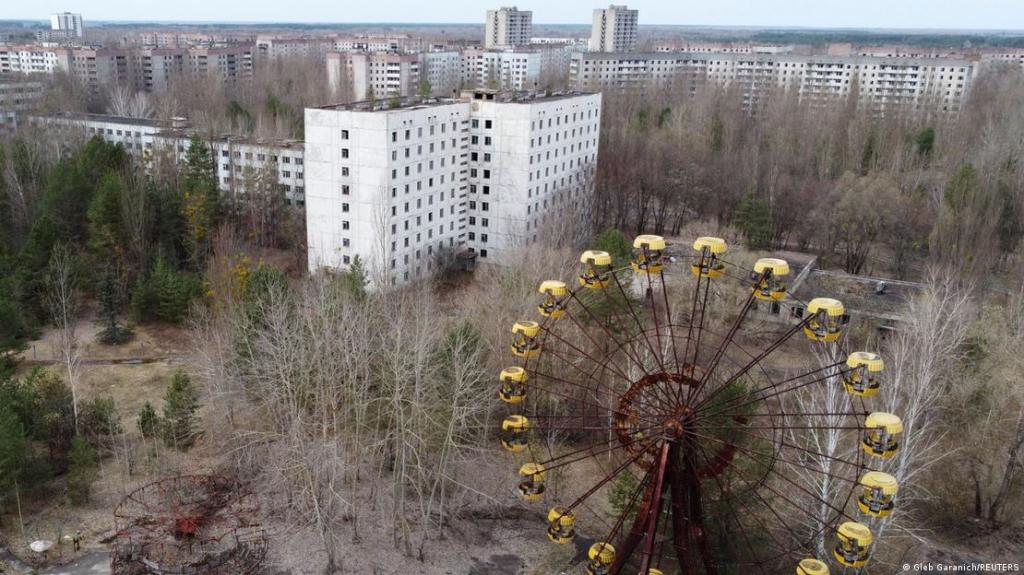
The recent news reporting the Japanese government’s controversial decision to release, into the Pacific Ocean, treated water from the nuclear plant of Fukushima has sparked concerns and protests worldwide. In an era where nuclear bombs and nuclear power plants accidents have left indelible scars on our collective memory, it’s no surprise that any discussion of radioactivity and nuclear mishaps instills fear. Books, journals, and the internet abound with stories, reports, and haunting photographs of the Chernobyl region—a place abruptly abandoned following a catastrophic incident at the city’s nuclear power plant.
While we cannot underestimate the potential chaos and undesirability of systems entangled with radioactive phenomena, it’s intriguing to note the stark contrast between the media’s preoccupation with waters supposed to be radioactive and its relatively light commentary on the biodiversity crisis resulting from human actions. Some argue that, at times, the impact of human activity on ecosystems can be more detrimental than radioactivity itself.
Let’s delve into the case study of the Chernobyl Exclusion Zone. The tragic events that unfolded decades ago inadvertently transformed this area into an ecological laboratory, offering us an extraordinary glimpse into a form of secondary succession. Chernobyl, once a bustling town in Belarus with a population of over 50,000, was, like many places inhabited by humans, marked by various disturbances and relatively limited wildlife. However, on April 26th, the catastrophic meltdown of reactor No. 4 at the Chernobyl Nuclear Power Plant triggered one of the deadliest nuclear disasters in history. Within a day, all humans were evacuated, and a human-free zone was established.
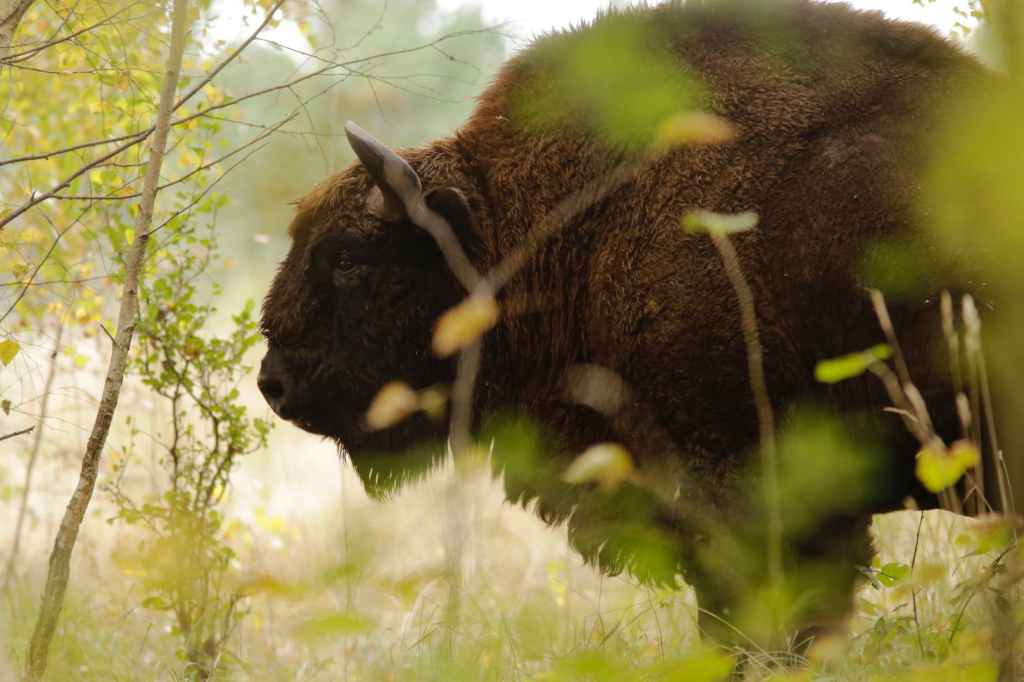
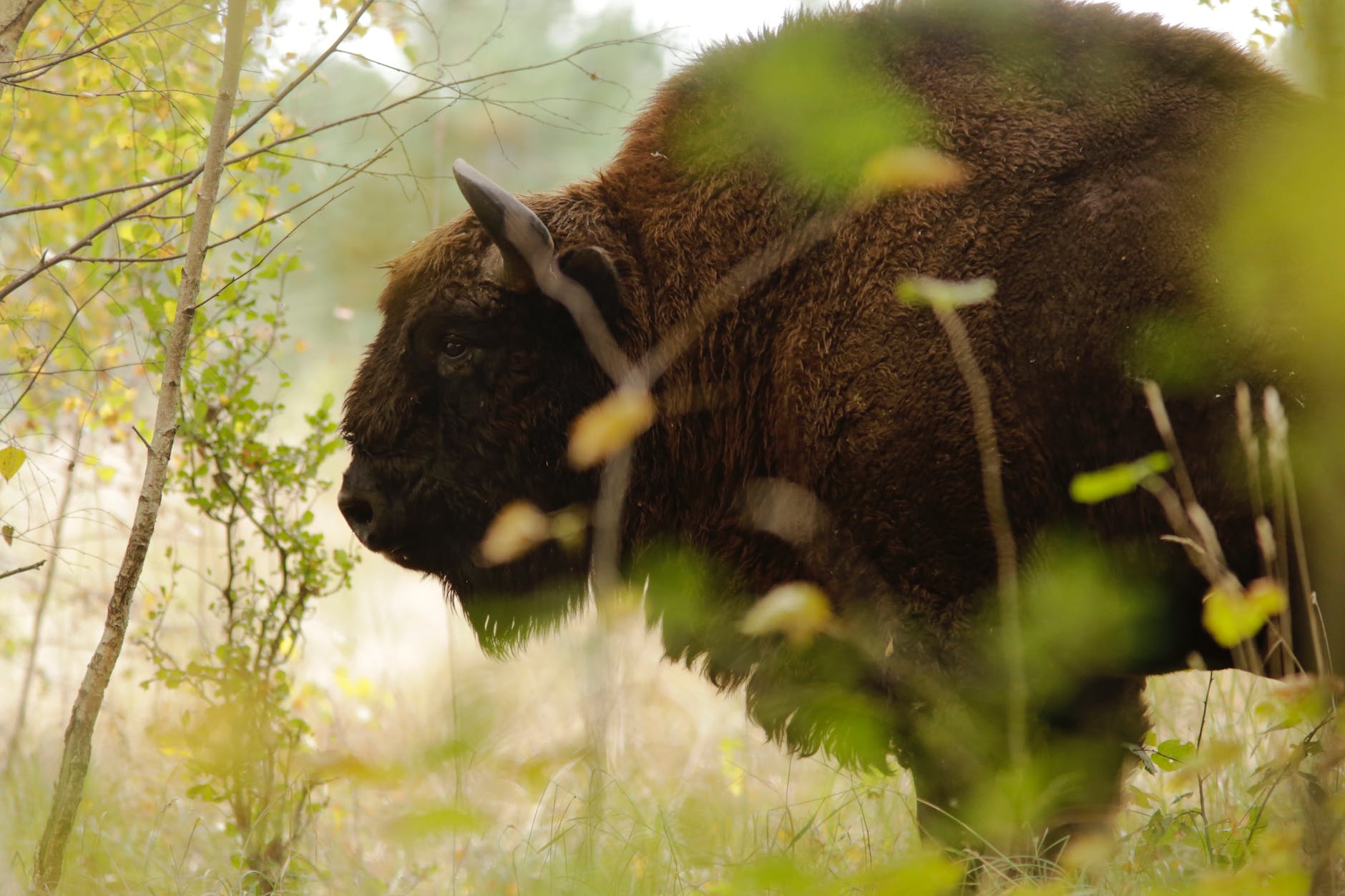
Though explosions and fires presumably caused localized damage to the surrounding ecosystems, the absence of human activity and the cessation of activities that had previously kept parts of the ecosystem in a particular state allowed wildlife to reclaim the area. Remarkably, plants, animals, and birds began to thrive despite the radioactive environment.
Over 35 years after the Chernobyl disaster, the scientific community is still grappling with a comprehensive understanding of the ecological effects stemming from this radiological catastrophe. One major challenge lies in differentiating between the negative impacts of Chernobyl radiation and the effects of changes in farming activities resulting from human evacuation. Initially, radioactive contamination had, of course, lethal and overall adverse effects on vegetation and fauna. Some delayed effects may still be influencing animal populations (have a look at the works of Møller and Mousseau, here and here to get an idea within an excellent scientific frame), and contamination persists, with riverine waters and groundwater likely remaining tainted.
Despite these challenges, the exclusion zone’s ecosystem is flourishing, showcasing increased biodiversity, including rare and endangered mammal species. When compared to the bleak situation of biodiversity loss we confront in many ecosystems due to pollution, overfishing, disturbances, habitat loss, and disrupted connectivity, we must reflect on whether our lifestyle poses more long-term harm to the planet’s ecosystems than a nuclear disaster.
Amidst the gloom, the rewilding effect within the Chernobyl exclusion zone offers a glimmer of hope. It demonstrates what we could achieve if we were willing to set aside certain areas of our planet, creating biodiversity buffers that could serve as reserves in the face of adverse population fluctuations in regions more proximate to our urban centers, technologies, and activities.
While Chernobyl’s case is not a typical example of secondary succession, it serves as a compelling illustration of how nature can rebound and adapt when human interference is removed, offering valuable insights into the resilience of ecosystems. As a matter of fact, in addition to the mechanisms of secondary succession explored in previous articles, this remarkable transformation owes much to the ecosystem’s unique ability, known as resilience.
But the concepts of persistence, viability, and resilience are captivating aspects of broader ecological narratives that deserve an upcoming series of “talking-ecology” posts.
 Talking Ecology