At a distance of 14 km from my home, there is this old river which serenely flows, meandering back and forth toward the sea. In one of the curves of these meanders, a tree fell down eight years ago.
I remember even the day that tree fell: it happened during a violent storm, the same windy storm that broke one of my house shutters and scared me a lot.
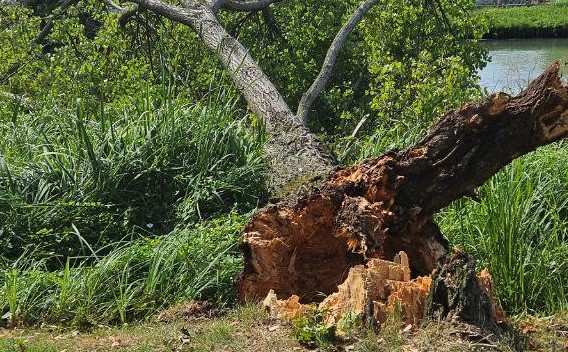
I didn’t pass along that riverside very often, and rarely had the opportunity to quietely stay there. But the last occasion I took the time to observe how that fallen trunk has changed represented an opportunity to think more about the dynamic process of ecosystems’ evolution over time. Indeed, this piece of trunk is now hosting a new ecosystem, as it has entrapped a part of the grassy river bank and created a pond, with different characteristics compared to the river and the old bank itself. Terrestrial species of grasses have disappeared since the soil is now waterlogged, and water plants and reeds have replaced them. Dragonflies are patrolling the pond, and frogs chant within it, finding shelter in the placid waters that the high-speed river cannot ensure for them.
It seems almost incredible that these changes have happened in a bunch of years, but that’s what is called an ecological succession. We all are (or should be!) aware of the mind-blowing capability of Nature to adapt and change over time. Ecological succession is the name we ecologists give to the multifaceted and complex process by which ecosystems undergo a series of changes, leading to a new and (most of the time) stable state.
An ecological succession usually takes several years, if not centuries, to evolve and establish as a process, because it depends on a lot of factors. It should be clear that an ecological succession is not a seasonal change, nor does it develop in a cyclic pattern: it is more like a directional, continuous pattern of local evolution on a site, during which colonization of some populations, belonging to some species, is followed by their disappearance, to allow for the colonization of other species. The different stages of “colonization” and “replacement” often involve species with particular adaptations and traits, to the point that monitoring the different species that appear at a site, one after the other, provides insight into what stage the ecosystem is at.
When we consider ecological successions, we can say that there are some necessary steps through which the ecosystem must go, just as if the ecosystem were an entity that, to evolve and become stable, needs a certain heritage from previous civilizations. Therefore, at the starting point of an ecosystem story, you can have two different scenarios that I love to refer to as “no life vs. disrupted life”.
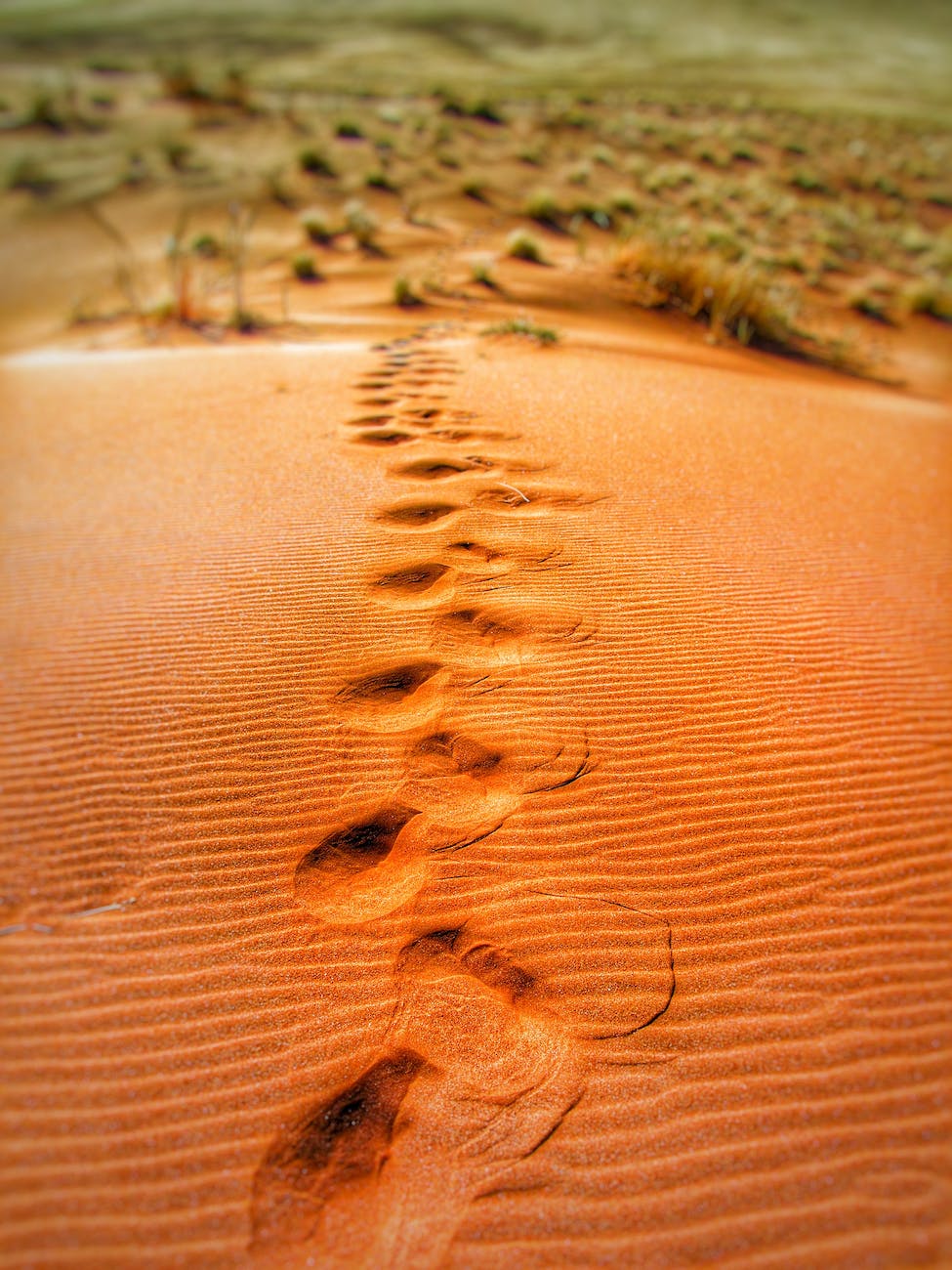
In the first case, “no life”, an area where no life has previously existed becomes colonized. Examples of such no-life areas are bare rocks exposed after the retreat of a glacier, volcanic islands born by cooling after an eruption, and the formation of new sand dunes.
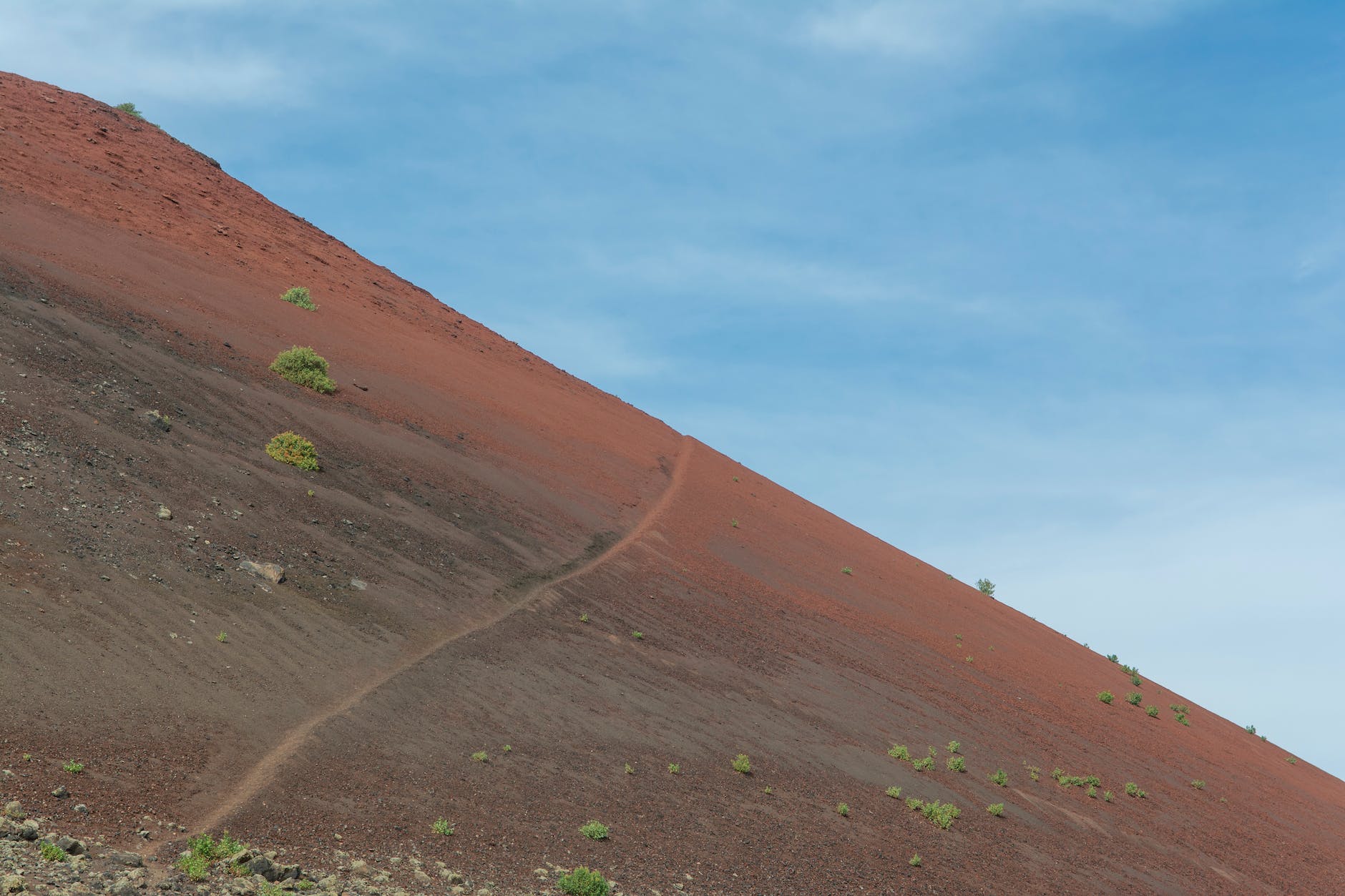
Areas like those mentioned are initially like unexplored, inhospitable planets. But over there, slowly, constantly, and with commitment, some organisms start to explore, work, live. It’s a challenging process, but soon after the ubiquitous bacteria and microorganisms, there is the appearance of pioneer species, as to say species that are capable of breaking down rocks, taking advantage of scarce nutrients, and preparing the ground for further colonization. According to the literature, this is called a primary succession.
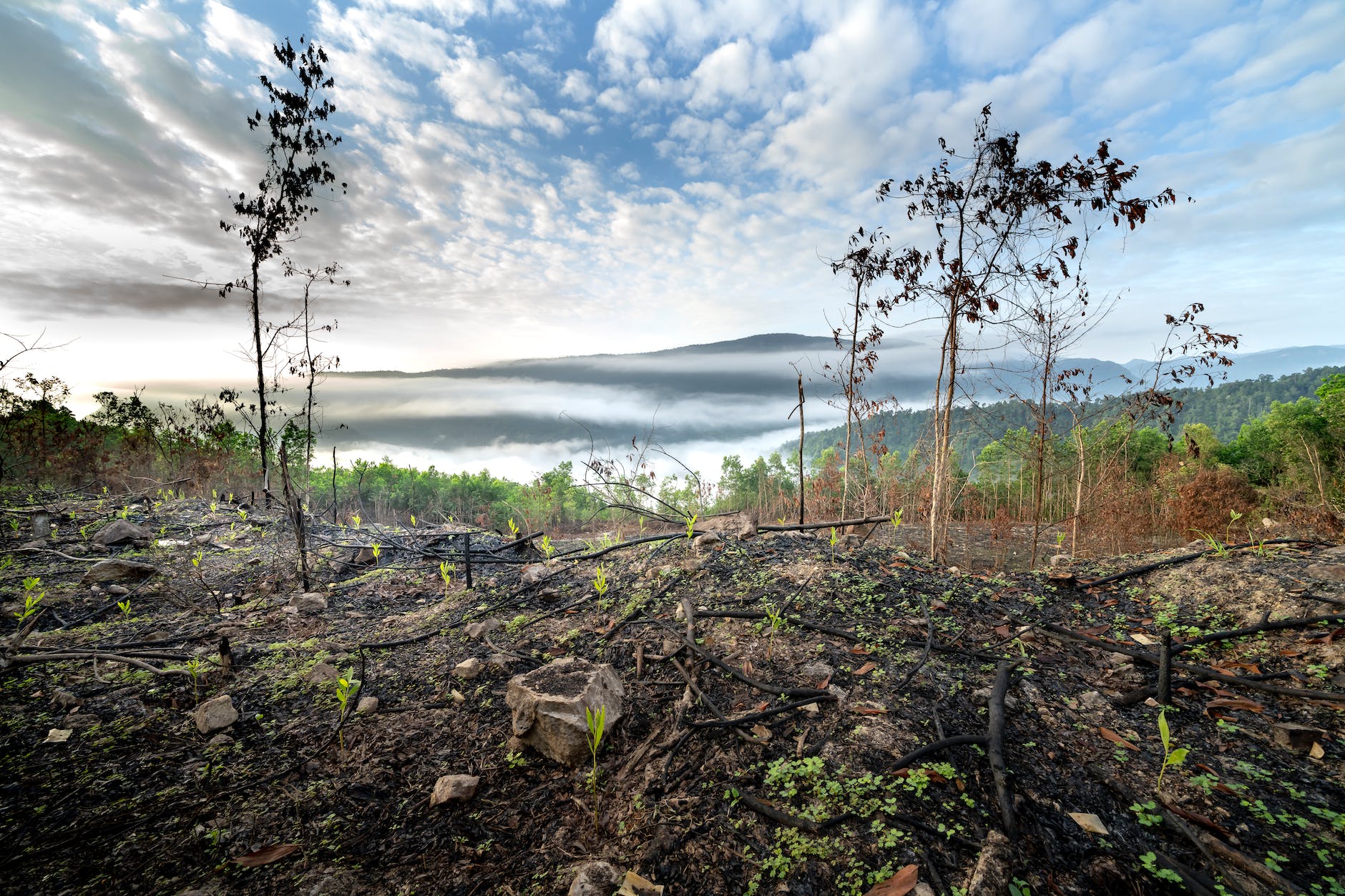
A different scenario awaits in the case that I call “disrupted life”. This situation, that serves as a floor for the secondary succession, takes place in areas where an ecosystem has been disturbed or disrupted, usually due to wildfires, floods, disturbing human activities, or other highly disruptive events that literally change the ecosystem into… let’s say something different. Even if a portion of the ecosystem is disrupted and several individuals of a set of populations die, in these events, the ecosystem still retains some soil, some nutrients, and often even life remnants. The successional process, therefore, follows a different trajectory than the primary succession, resulting in a faster pace.
Usually, the most stable community that the ecosystem seems to be aiming for is called the climax community, or climax stage. However, when it comes to identifying which species and community are at the climax stage, the discussion can be very multifaceted, and the history of ecology teaches that there are various points of view on the issue.
A remarkable example of a well-documented primary ecological succession has been developing on Mount Saint Helens in the USA. Mount St. Helens is a volcano, sporting the poetic face of a snowy-peaked mountain until 1980. Then, an explosive eruption wiped out all life in the surrounding area, leaving behind a barren landscape of volcanic ash and rock. In the years following the eruption, pioneer species such as mosses and lichens colonized the area, breaking down the volcanic material and starting the process of soil formation. Over time, grasses, shrubs, and other early successional plants established themselves, providing habitats and food for insects and small animals. And as the soil continued to develop, Douglas firs and other trees began to grow, creating a diverse forest ecosystem. Today, the area has undergone significant regrowth, and a thriving forest is once again present.
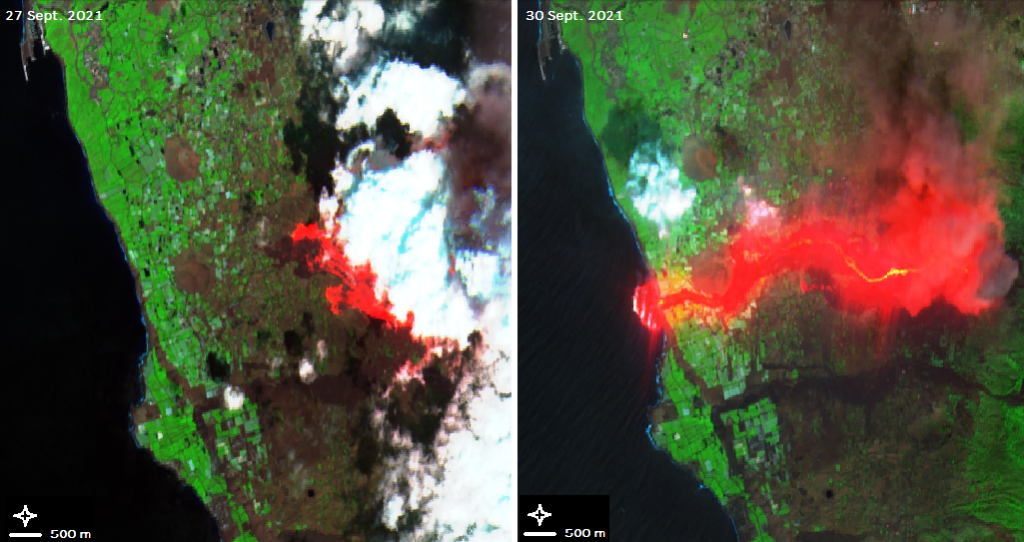
More recently, the eruption of the volcàn de Tajogaite, on the Canary island of La Palma, created a new coastal area on the western part of the island. As soon as the soil will be completely cooled, you can bet some pioneer species are going to colonize it and, step by step, the primary succession processes will achieve a new ecosystem on that brand-new volcanic beach.
As for secondary succession, chances are that every one of us has seen at least once an example of such a process. Indeed, one of the most frequent secondary successions develops where an old garden or an old cultivated field is left abandoned. In this case, typical sequential stages of the succession are the invasion by annual weeds, followed by the appearance of herbaceous perennial plants, the establishment of shrubs, and different species of trees.
These examples illustrate the incredible capacity of Nature to create life, reclaim, and rebuild ecosystems following severe disturbances.
Ecological succession demonstrates that, even in the face of adversity, Life always finds a way.
 Talking Ecology