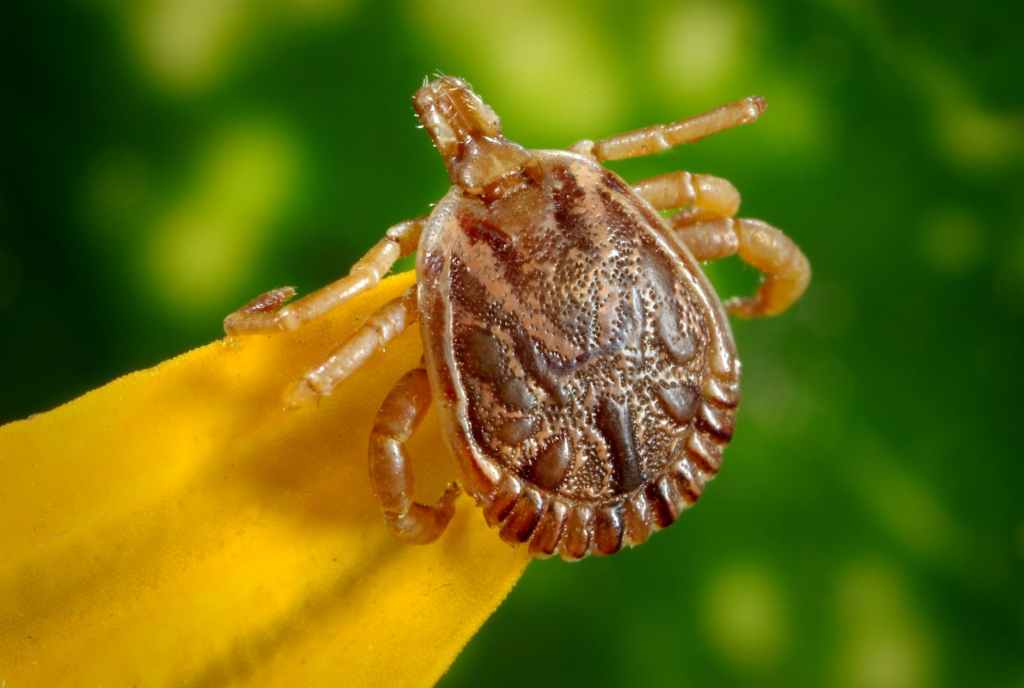
When we talked about ecological interactions, we mentioned one peculiar interaction called “parasitism“. Parasitism is a quite fascinating ecological phenomenon where one organism, known as the parasite, benefits at the expense of another organism, known as the host.
From a human point of view, it is difficult to understand such an unbalanced relationship: it seems unfair, perhaps. However, parasitism plays a significant role in shaping ecosystems, contributes to slyly controlling population density, and includes examples across different taxa.
Here are a few notable examples of parasitism in ecology:
- The dodder – Cuscuta spp.: it is a parasitic plant commonly known as dodder. To be a plant, it is really peculiar: it lacks chlorophyll! Thus, the dodder relies on host plants equipped with chlorophyll for its nutrients. Dodder’s specialized structures attach to the host plant, allowing it to extract water, sugars, and other essential nutrients. Of course, this parasitic relationship can impact the growth and survival of the host plants.
- Malaria Parasite – Plasmodium spp.: Plasmodium is a genus of parasites that cause malaria, a disease affecting humans and other animals. Female Anopheles mosquitoes transmit Plasmodium parasites through a bite when they feed on blood. Once inside the host’s bloodstream, Plasmodium infects red blood cells, leading to severe health consequences, including fever, organ damage, and even death.
- Tapeworms – Taenia spp.: Tapeworms are parasitic flatworms that live a part of the life cycle in mammals muscles, and another part of the cycle in the digestive tracts of various vertebrate hosts, including humans. One example is Taenia solium, known as the pork tapeworm. It can infect humans through the consumption of undercooked pork meat. Once inside the host’s intestines, tapeworms attach themselves to the host’s intestine and absorb nutrients, potentially causing health issues.
- Fleas – Order Siphonaptera: Fleas are small, wingless insects that are often external parasites of mammals and birds. They use specialized mouthparts to pierce the host’s skin and feed on blood. For example, the rat flea (Xenopsylla cheopis) can transmit the bacteria responsible for the bubonic plague when it feeds on infected rodents and subsequently bites humans.
- Parasitism can also occur in aquatic ecosystems. For instance, the lamprey is a parasitic fish that attaches itself to other fish, such as salmon or trout. It feeds on their blood and body tissues, weakening the host fish and potentially leading to their death. However the death occurence is very rare.
- Cuckoo – Cuculus canorus: This is a story that is regularly considered outrageous every time I narrate it, perhaps because we have a “romantic” vision of birds that fly, sing, build nest and take care of chicks. But the cuckoo is not as romantic, on the contrary, is a well-known brood parasite bird species. Instead of building their own nest, female cuckoos deposit their eggs in the nests of other bird species…. and serenely fly away, sparing the effort of raising the child. This behavior, also known as “nest stealing behavior”, affects hundreds of different host species, even if the most frequently targeted victims are reed warblers or dunnocks. The cuckoo female waits until the nest is unattended, then quickly lays the egg which has been incubated for almost a day inside the cuckoo body. At their return, host birds unknowingly start to raise the cuckoo chicks, often at the expense of their own offspring; in addition, the cuckoo chicks grow faster and outcompete the host’s young, leading to their eviction from the nest.
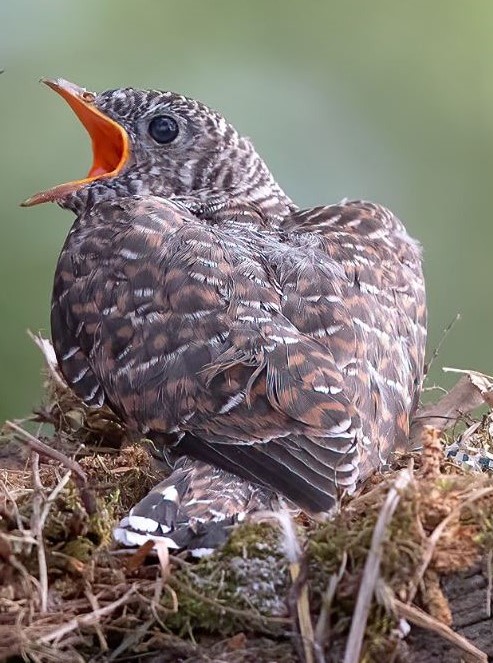
know, it seems a sad story. But from an ecological perspective, this interaction, along with predation and competition, helps controlling the population density of different birds species. Since the interaction results in non-linear phenomena with feedback, it does not excessively harm the targeted species: indeed, the cuckoo itself is eventually affected by a downward trend in the reproduction rates of its “favorite” hosts. Thus, the presence of cuckoos has proven to be quite a good proxy for avian biodiversity level in an area.
All these parasitism examples highlight the diverse strategies that different organisms employ to exploit their hosts and unravel the huge “catalogue of ecological relationships” occurring in ecosystems. Understanding parasitism is crucial for comprehending the intricate web of interactions within ecological communities and how they shape the dynamics of populations and ecosystems as a whole.
 Talking Ecology