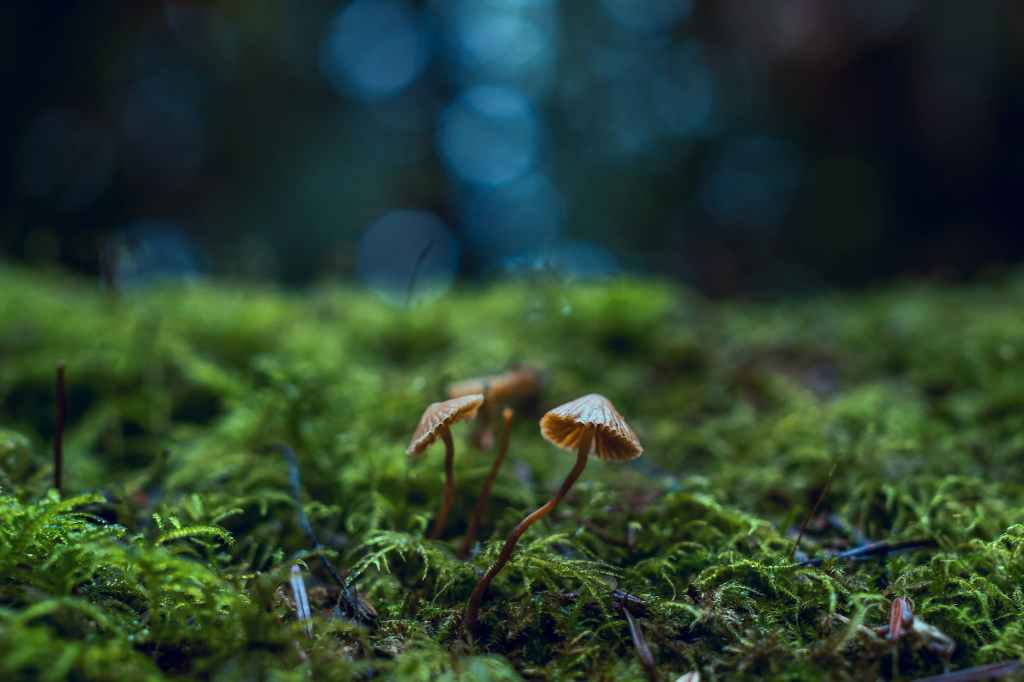
At the heart of ecological relationships lie the diverse organisms that inhabit our planet. From towering trees in lush forests to microscopic algae floating in oceans, each organism occupies a unique role in the grand scheme of things. We mentioned the important role of producers, such as plants and algae, which harness the energy of the Sun to create food through photosynthesis. Then, we encountered consumers, including herbivores, carnivores, and omnivores, who rely on these producers for sustenance. Finally, we encountered the decomposers, like bacteria and fungi, which break down organic matter, returning essential nutrients to the ecosystem.
Within the web of life, a constant struggle for survival unfolds. Predation, the act of one organism hunting and consuming another, drives the intricate dance of life and death. We will uncover the strategies employed by predators and the adaptations developed by prey to escape their clutches. Additionally, we will explore the concept of competition, where organisms vie for limited resources, such as food, water, and shelter. Whether it’s a fierce hunt or a subtle struggle, the dynamics of predation and competition shape the distribution and abundance of species in ecosystems.
Besides more direct and well-known interactions such as grazing and predation, there are other kind of interactions we can refer to as “partnerships”: they are Mutualism, Commensalism, and Parasitism.
In these interactions, some organisms form symbiotic relationships to their mutual benefit or detriment.
Mutualism can be seen as a win-win collaboration between species, where both parties gain advantages, such as the iconic relationship between flowering plants and their pollinators.
Commensalism occurs when one organism benefits, while the other remains unaffected. Examples of such a relationship are the epiphytic plants, like tropical orchids, using trees for support.
Conversely, in parasitism, the parasite benefits at the expense of its host organism, causing it harm or detriment. Known as parasite-host interaction, this chapter of biology is capable to highlighting the darker side of ecological relationships, even touching some horror peaks. There are a lot of examples of parasitism, spawning in almost every type of ecosystem.
A well-known example of parasitism in terrestrial ecosystems is the relationship between ticks and mammals. Ticks are arachnids that behave as ectoparasites, that feed on the blood of their hosts which can be various mammals, including humans. The tick feeds for its own advantage, causing harm to the host who is literally giving its own precious blood to the tick: therefore, as in every example of parasitism, the parasite is the only member of the interacting couple that benefits from the interaction. The damage to the host is usually not so broad to determine its death (the parasite indeed want its host to be alive), but other threats can arise. For example, the tick may transmit additional diseases such as Lyme disease or tick-borne encephalitis to the host, causing harm and discomfort or even death.
The existence of all these ecological relationships highlights the intricate dynamics and interconnectedness within ecosystems, as well as the adaptations that parasites have evolved to exploit their hosts for survival and reproduction.
The web of life is a tapestry interwoven with an astounding variety of ecological relationships. From the vital roles of producers and consumers to the captivating dynamics of predation and competition, and the intricate partnerships of mutualism, commensalism, and parasitism, these relationships define the functioning and resilience of ecosystems. As we delve deeper into the wonders of the web of life, we will gain a deeper appreciation for the interconnectedness and delicate balance that sustains life on Earth. So, let us continue our exploration of the fascinating realms of ecology, where every thread of the web holds a story waiting to be unraveled.
To summarize, an ecosystem includes living and non-living entities. Such entities always interact upon each other, resulting in complex networks where everything is interrelated with everything else, by means of direct or indirect actions. This interconnection is crucial for elements and nutrients cycling in the ecosystems, and consequently its continuity is fundamental for the continuity of life itsels.
Ancient cultures were strongly aware of this connectedness. Unfortunately, this awareness and sense of respect remain present just in the indigenous peoples and in a few “urbanized” persons.
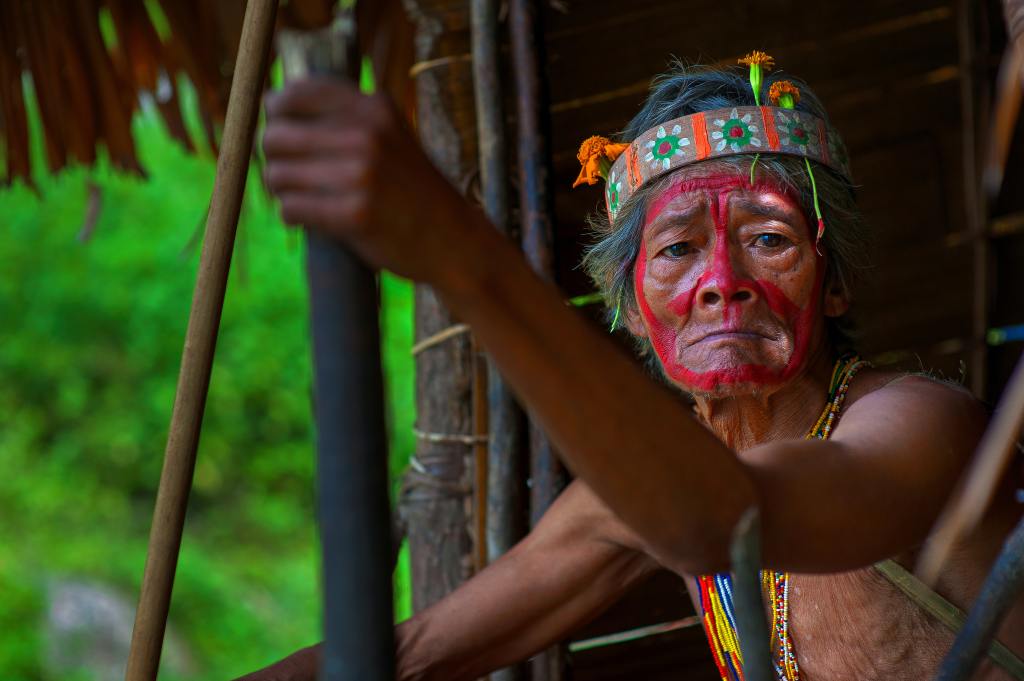
Anyway, the continuity of the interactions between the abiotic environment and the living beings is of the utmost importance: they provide a “healthy” ecosystem, sustain biodiversity, and are the basis of ecological resilience.
 Talking Ecology