
In the vast tapestry of Nature, there exists a complex and interconnected network of relationships that weaves together the fabric of life itself. These intricate connections, known as ecological relationships, form the foundation of ecological systems and shape the functioning of our planet. In this post, we will embark on a fascinating exploration of the “Web of Life,” where organisms interact with one another in a myriad of ways, influencing their survival, reproduction, and overall well-being.
In simple terms, it works like that: abiotic components of the ecosystem – namely minerals, nutrients, water, and so on – are like little building blocks.
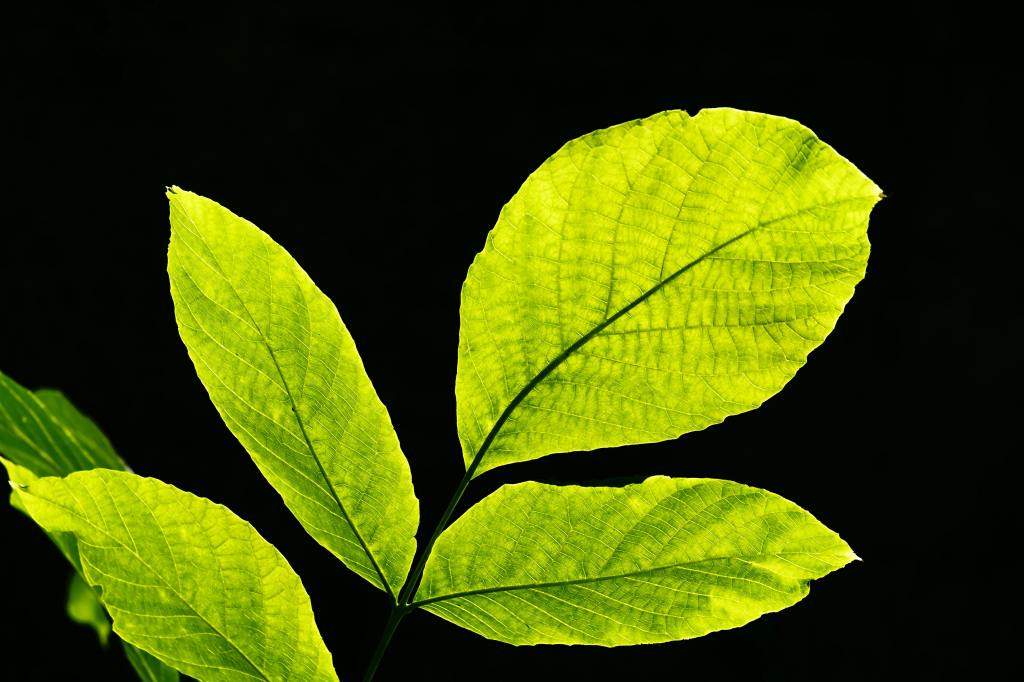
When an alga or a plant gets those bricks out of the environment, it uses them to build its own biomass.

In turn, this biomass is eaten by herbivores, who disassemble the vegetal biomass built by the plants to reassemble it into the biomass of animal tissues.
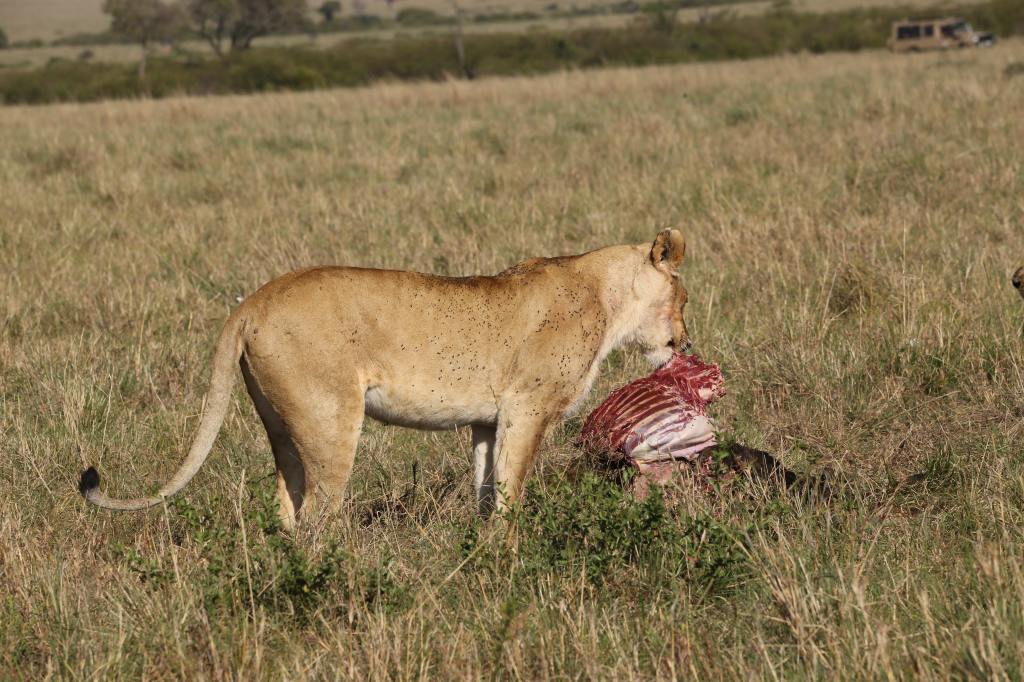
Then, another animal can eat the herbivore during the predation, and again the predator disassembles the herbivore meat-bricks to reassemble them in predator “meat-bricks”, and so on…
till death do them part.
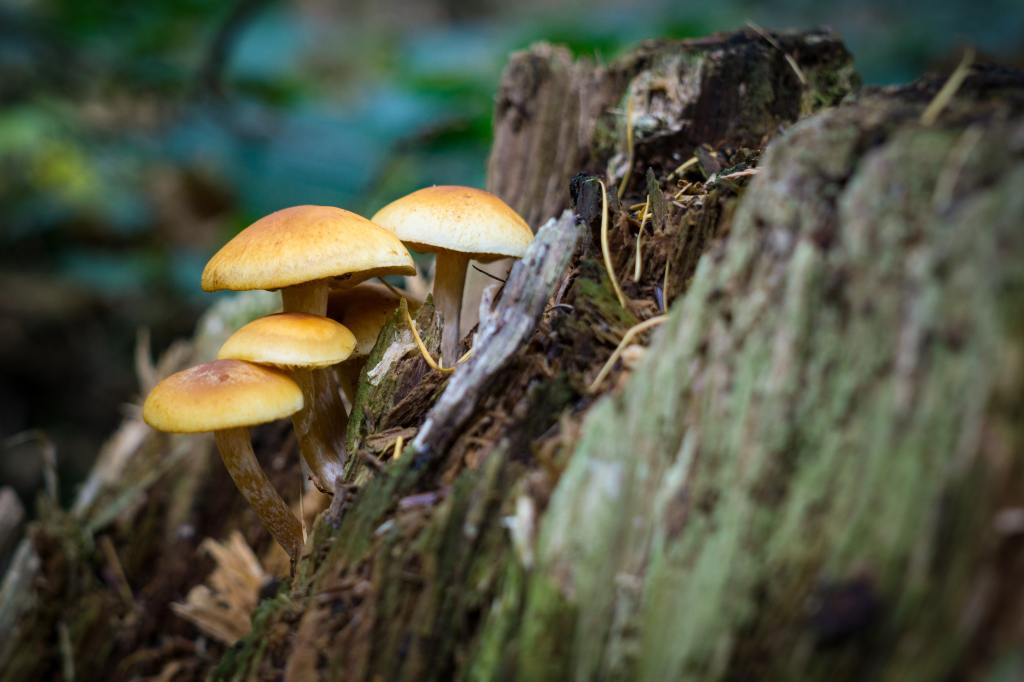
The game doesn’t end here: a multitude of other organisms, which are not plants and neither animals, can continue the disassembling of dead biomass, in a process called organic matter degradation. Thus, Bacteria, Fungi, and other decomposers destroy the long molecules of organic matter (which once were part of a living being) in the same little building blocks of the beginning of the story. The same thing happens to detritus, represented by dead body parts (dead cells, dried leaves, litter, rotting fruit, scales, hair, nails), and feces or other waste.
In a certain way, decomposers put again the Lego blocks inside the game box, collecting them from the fallen towers all over the floor 🙂
By the way, do you remember when you were a child and played with Lego bricks? If so, you should also remember that if you didn’t do some work to play, the bricks would have not moved, nor stayed stuck together. When building something, you were doing work; consequently, you used energy.
In the game of life, living beings need Energy to put together the mineral atoms for building biomass.
Plants can capture the energy coming to the Earth from the electromagnetic radiation of the Sun. This way, plants make some kind of magic: they transmute non-living atoms into living cells, transforming the intangible energy of the light into tangible (and eatable) biomass. That’s why in Ecology we call algae, plants, and photosynthetically active organisms primary producers and autotrophs (from Latin, “who can give himself its own food”). On the contrary, both herbivores and carnivores are organisms that rely on the biomass of other organisms, so they are called consumers or heterotrophs ( = “who feed on others”).
We can well say that everything depends on the Energy of the Sun that is fixed by plants. If they hadn’t been there, life on Earth would probably be very different now.
 Talking Ecology